“Multisite” sounds simple until you count installs. Most headless CMS tools are excellent for one project. Agencies need something else: many frontends, hard isolation between clients, and ops work that does not multiply with every new site.
The Multisite Problem
At two or three sites, separate CMS installs feel fine. At ten, the pattern breaks:
- Ops multiply — updates, backups, SSL, monitoring, and incident response per install.
- Hosting multiplies — Node stacks often want 1GB+ RAM each; ten clients becomes ten processes (or one oversized box that is painful to reason about).
- Credentials multiply — admin URLs, API tokens, and deploy secrets per client.
- Context switching kills speed — editors and developers bounce across dashboards instead of switching projects in one place.
The question is not “which CMS has an API?” It is “which CMS lets me run many websites without running many CMS platforms?”
What “Multisite Headless CMS” Actually Means
People use the same phrase for different architectures:
- Multi-project (true multi-tenant content) — one installation, many isolated projects, separate API keys and permissions. This is what agencies usually want.
- WordPress Multisite — one WP network, many sites. Strong for classic WP; awkward as a modern headless content platform.
- Cloud spaces / environments — Sanity, Contentful, and similar: multiple spaces or environments under one vendor account, billed as SaaS.
- DIY multi-tenancy — you build org/project tables on top of Strapi, Payload, or Directus. Flexible, but you own the security model forever.
This comparison focuses on the agency question: can you manage multiple websites from one operational surface without reinventing tenancy?
How We Compared These Options
- Install model — one install for many sites vs one install per site.
- Isolation — separate content, users, and API keys per website/project.
- Headless fit — clean API for Next.js, Nuxt, Astro, mobile.
- Ops burden at 10 sites — updates and hosting reality, not brochure claims.
- Pricing shape — one-time, open source + hosting, per-site license, or SaaS seats.
1. ElmapiCMS

ElmapiCMS is a self-hosted headless CMS on Laravel and React with genuine multi-project support. One installation handles unlimited projects. Each project is isolated: its own collections, content, API keys, and permissions. That is the difference between “I can host many sites” and “I am running many CMS products.”
Why it fits multiple websites
- One install, unlimited projects — add a client without provisioning a new CMS stack.
- Per-project API keys — frontends talk only to the project they should see.
- Low RAM footprint — PHP on a modest VPS instead of N× Node processes.
- $74 one-time payment — no per-project or per-seat CMS tax.
Best for
Agencies, freelancers, and product teams running many sites or brands from one self-hosted content API.
2. Strapi
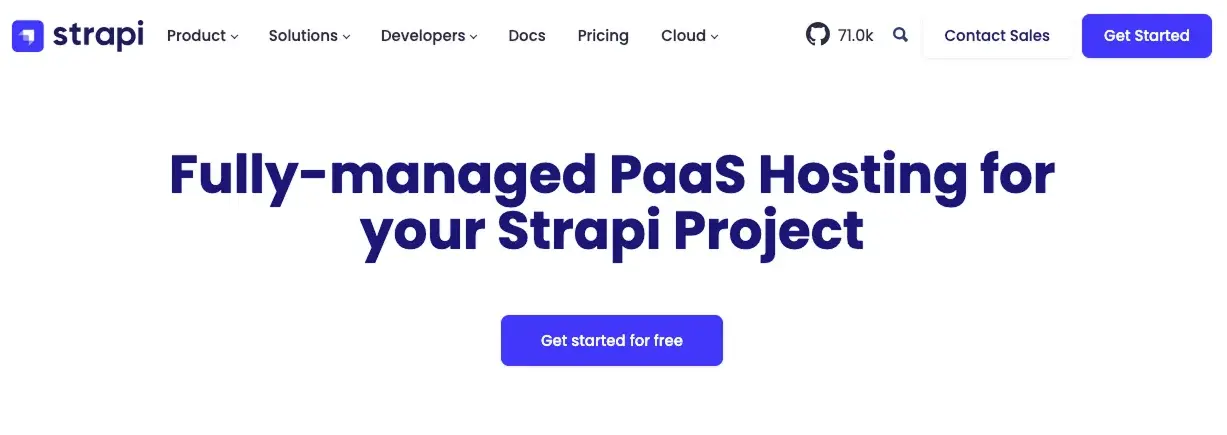
Strapi is the most popular open-source headless CMS. For a single project it is excellent. For multiple websites, the default path is still one Strapi application per site (or a custom multi-tenant build you maintain yourself).
- Multi-website model: separate installs (or heavy DIY tenancy).
- Ops reality: each instance wants meaningful RAM; updates repeat per client.
- Best for: one flagship Node project, not ten agency sites on autopilot.
If you already standardized on Strapi and only need two sites, stay. If client count is climbing, compare the install math honestly—see also our Strapi alternatives.
3. Payload CMS

Payload is TypeScript-native and outstanding for developer-owned content models. Multi-site usually means multiple Payload apps, or a carefully designed multi-tenant schema. That is a product decision you implement in code—not a built-in agency project switcher.
- Multi-website model: code-first tenancy or separate apps.
- Best for: TS teams building one complex product (or few) with engineers on staff.
4. Directus
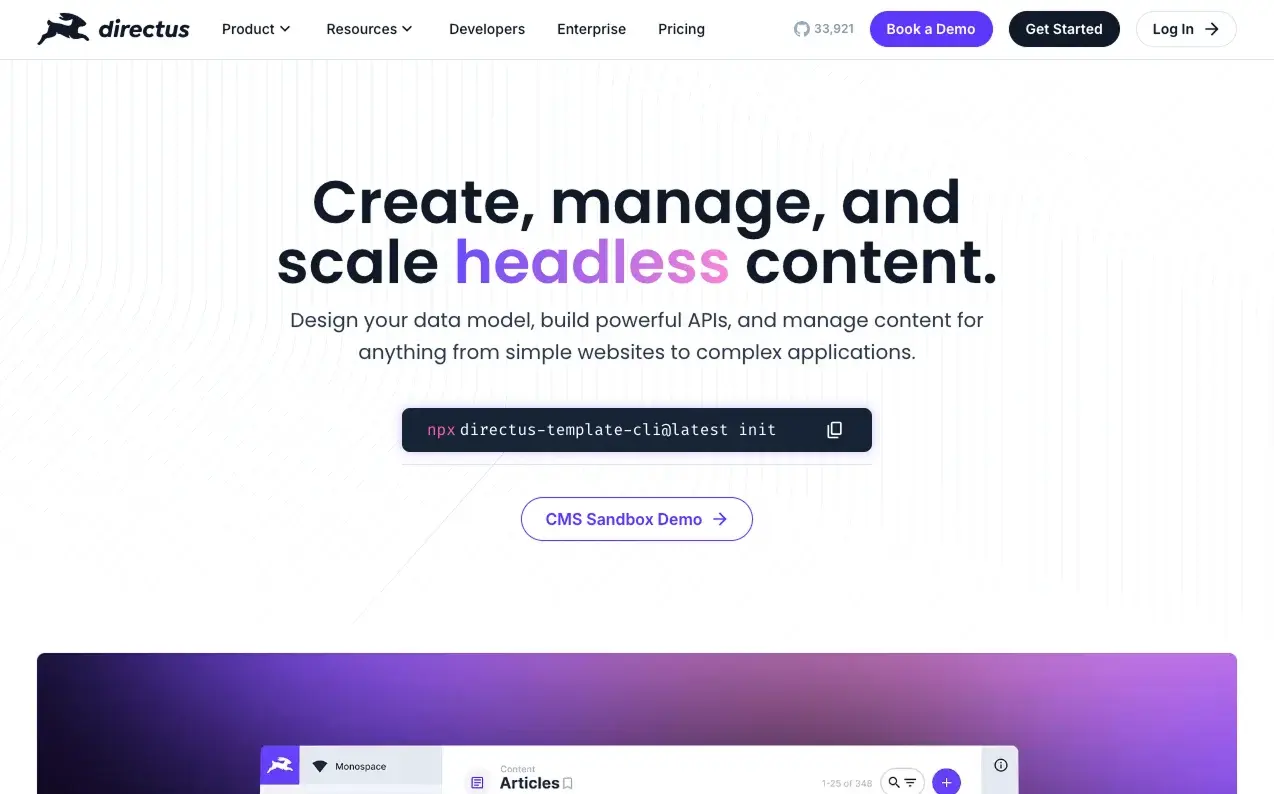
Directus wraps SQL databases and auto-generates APIs. You can model multiple “sites” as data partitions, but you design that schema and permission matrix. It is powerful for data platforms; it is not an out-of-the-box multi-client CMS dashboard.
- Multi-website model: schema + permissions design (DIY).
- Best for: teams that already think in databases and want portability over CMS conventions.
5. Sanity & Contentful (spaces)
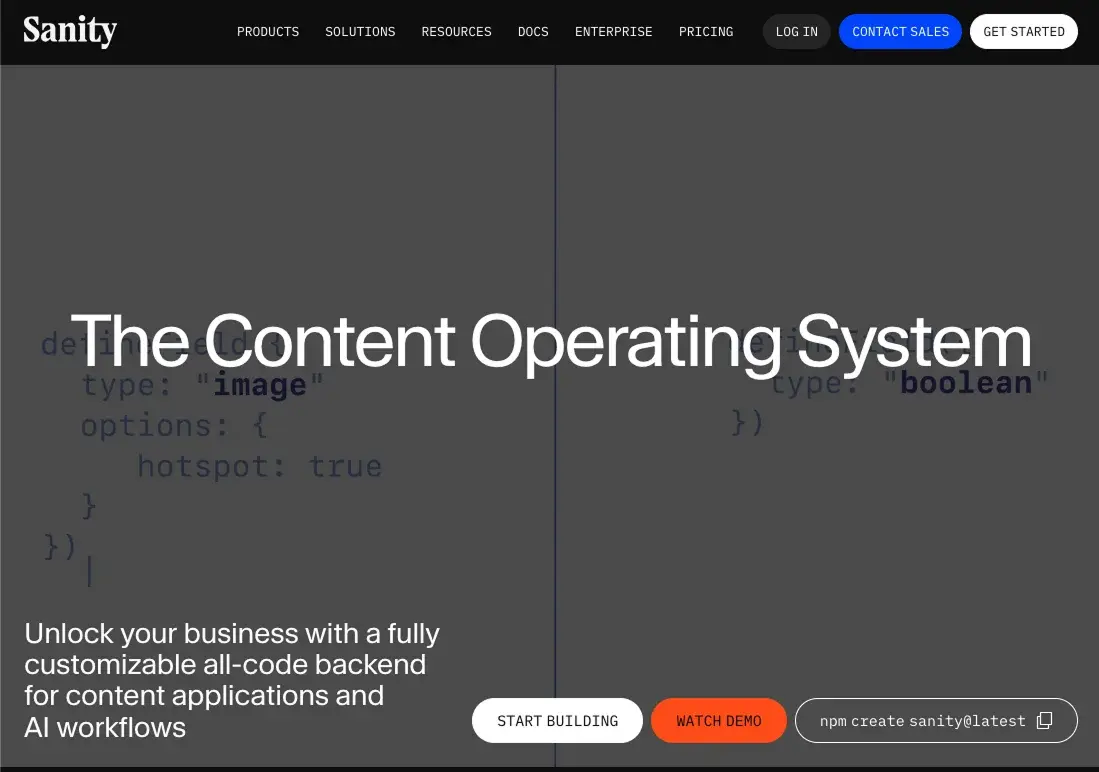
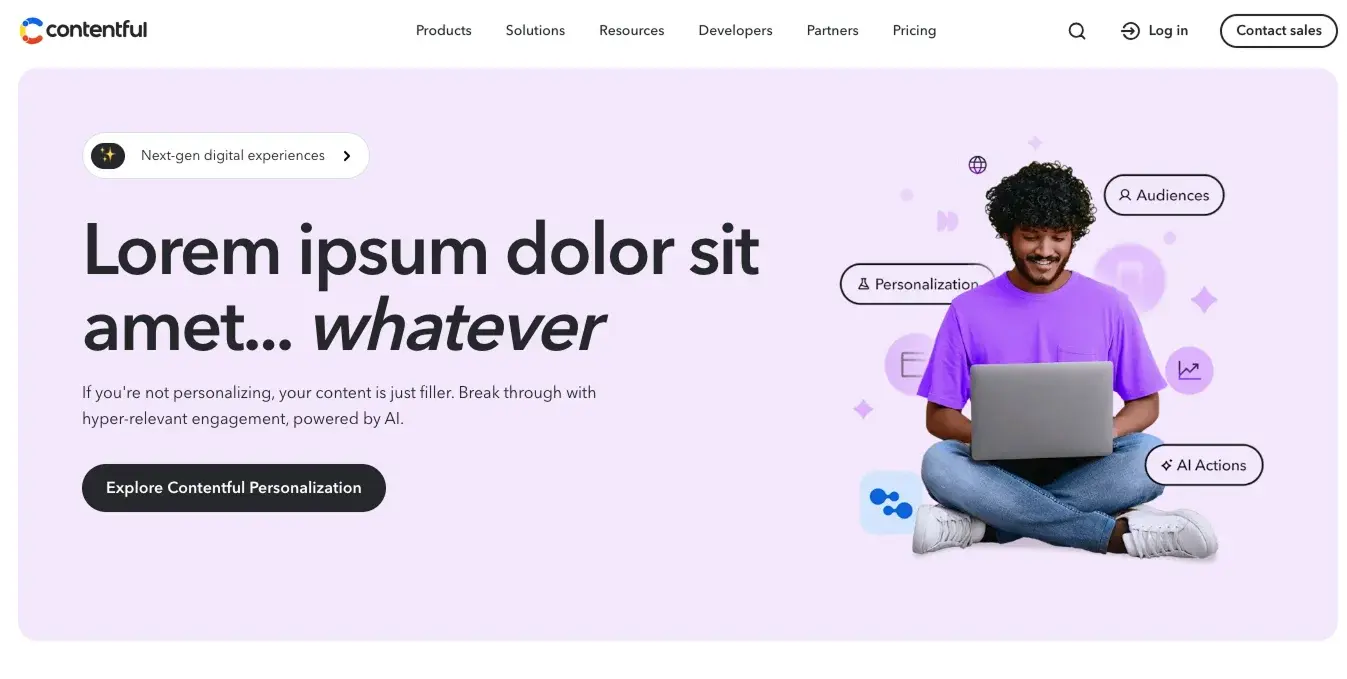
Cloud CMS platforms solve “multiple websites” with spaces, environments, or organizations. Isolation and editorial UX are strong. The tradeoff is recurring cost, seat limits, and less control over where data lives. Fine when a client pays SaaS fees; painful when you absorb ten projects on one agency bill.
- Multi-website model: spaces / environments under a vendor account.
- Best for: in-house content teams on managed infrastructure, not cost-sensitive multi-client hosting.
6. WordPress Multisite
WordPress Multisite is the original “many sites, one install” answer. For classic themes and WP plugins it still works. As a headless platform for many modern frontends, teams often hit plugin weight, REST quirks, and a content model that was never designed as a clean multi-project API.
- Multi-website model: network of WP sites.
- Best for: many traditional WordPress sites; weaker for API-first multi-brand stacks.
Leaving WP for headless? See WordPress alternatives.
7. Statamic
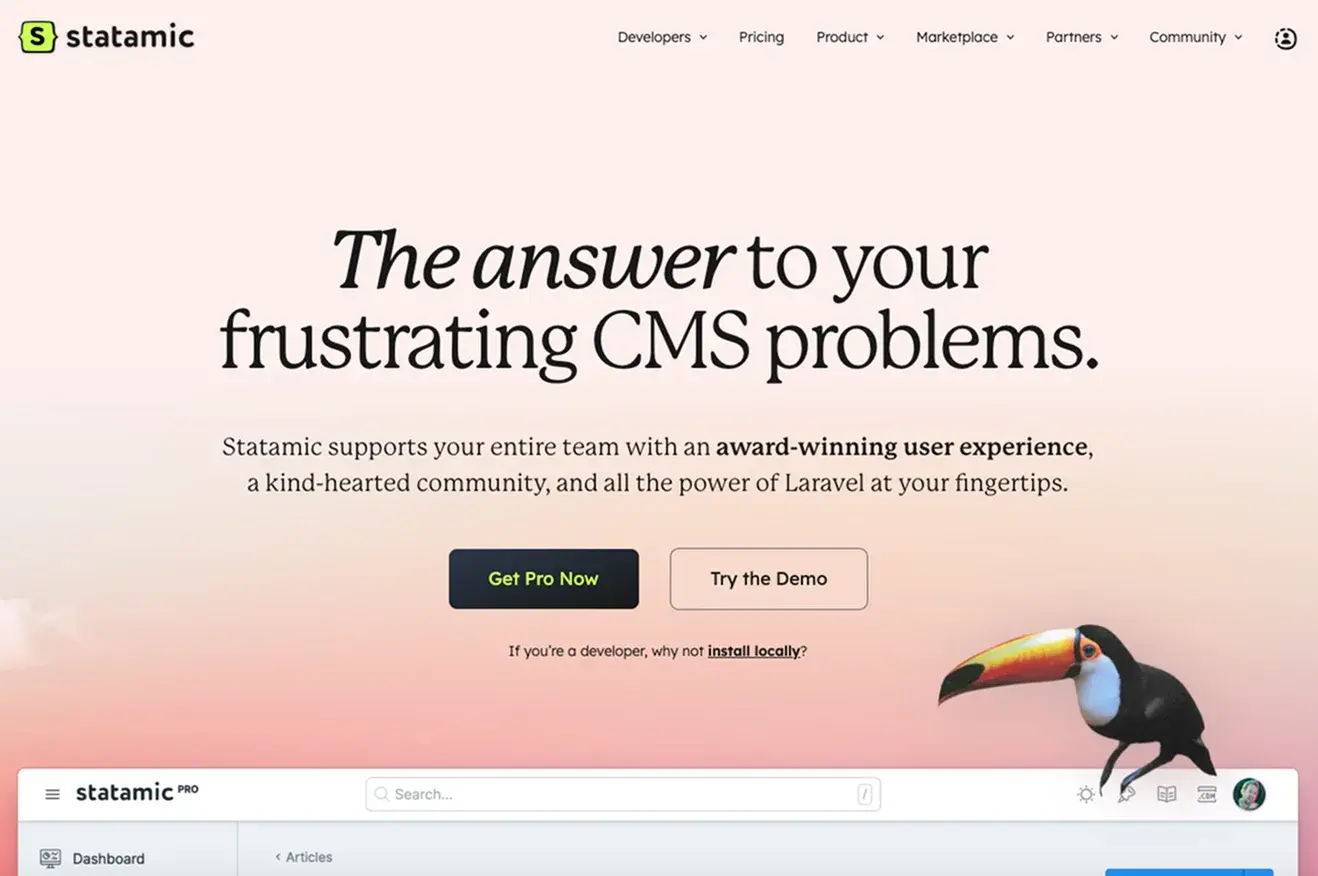
Statamic is a polished Laravel CMS with flat-file or database storage and optional headless APIs. Licensing is typically per site on Pro, so agency portfolios grow license cost alongside project count. Beautiful control panel; different economics than one multi-project license.
Cost Reality at 10 Client Websites
Rough agency math (hosting only + software; excludes your time). Numbers are directional for planning—not quotes.
| Approach | Software | Hosting shape | Annual ballpark |
|---|---|---|---|
| ElmapiCMS multi-project | $74 once | 1 VPS for CMS (~$10–40/mo) | ~$120–480 + license once |
| Strapi × 10 installs | Free (MIT) | 10× Node-friendly VPS | ~$1,200–2,400+ hosting |
| Payload × 10 apps | Free (MIT) | 10× app deploys | Similar to Strapi ops shape |
| Sanity / Contentful spaces | SaaS seats + usage | Vendor-hosted | Often $$$$ at agency scale |
| Statamic Pro × 10 | ~$275/site (typical Pro) | PHP hosting × sites | License-heavy + hosting |
The hidden line item is your hours. Ten update cycles beat one every time—even when software is “free.”
Multisite Headless CMS Comparison
| Factor | ElmapiCMS | Strapi | Payload | Directus | WP Multisite | Sanity |
|---|---|---|---|---|---|---|
| Many sites, one install | Yes (projects) | No* | No* | DIY | Yes (WP network) | Spaces |
| Headless API | REST | REST/GraphQL | REST/GraphQL | REST/GraphQL | WP REST | GROQ/API |
| Per-site isolation | Built-in | Per install | Per app / DIY | Permissions | Per site | Per space |
| Hosting model | Self-host | Self-host / Cloud | Self-host / Cloud | Self-host / Cloud | Self-host / Host | SaaS |
| Software cost | $74 once | MIT | MIT | GPL | GPL | SaaS |
| Best for | Agencies | Single Node apps | TS products | DB-first | Classic WP | Cloud teams |
*Without custom multi-tenant architecture you build and maintain yourself.
Conclusion: Which Multisite Headless CMS?
Agency or freelancer with many client sites? Choose a CMS whose default model is multi-project. ElmapiCMS is built for that: one self-hosted install, unlimited isolated projects, $74 once.
One product, Node/TypeScript team? Strapi or Payload remain strong—just do not pretend ten installs are “free.”
Existing SQL and custom tenancy skills? Directus can work if you own the schema design.
Classic WordPress network? WordPress Multisite still fits traditional WP sites; it is rarely the best headless answer for modern multi-brand APIs.
Want zero server ops? Sanity or Contentful spaces—and budget for seats and usage as project count grows.
If multisite is the reason you are evaluating self-hosted options at all, continue with the ElmapiCMS self-hosted overview or the broader self-hosted CMS comparison.