This guide covers the best Payload CMS alternatives available in 2026. Whether you need something simpler, want different technology choices, or require features Payload doesn't offer, there's likely a better fit for your specific needs. Head-to-head with Strapi? Read Strapi vs Payload. Shopping typed stacks more broadly? See best TypeScript CMS.
Why Consider Payload Alternatives?
Payload is excellent for TypeScript developers building complex, single applications. But there are legitimate reasons to look elsewhere:
- Learning curve - Payload's code-first approach requires significant upfront investment. Not every project justifies that.
- Multiple projects - Like most headless CMS platforms, Payload requires separate installations per project. Agencies managing many clients feel this pain.
- Technology preference - If your team isn't deep into TypeScript or Node.js, a PHP or cloud-based solution might be more practical.
- Simpler requirements - Sometimes you just need a straightforward CMS without the complexity of a code-first setup.
- Budget constraints - While Payload is open source, hosting Node.js applications typically costs more than PHP alternatives.
Let's look at the alternatives that solve these problems.
1. ElmapiCMS
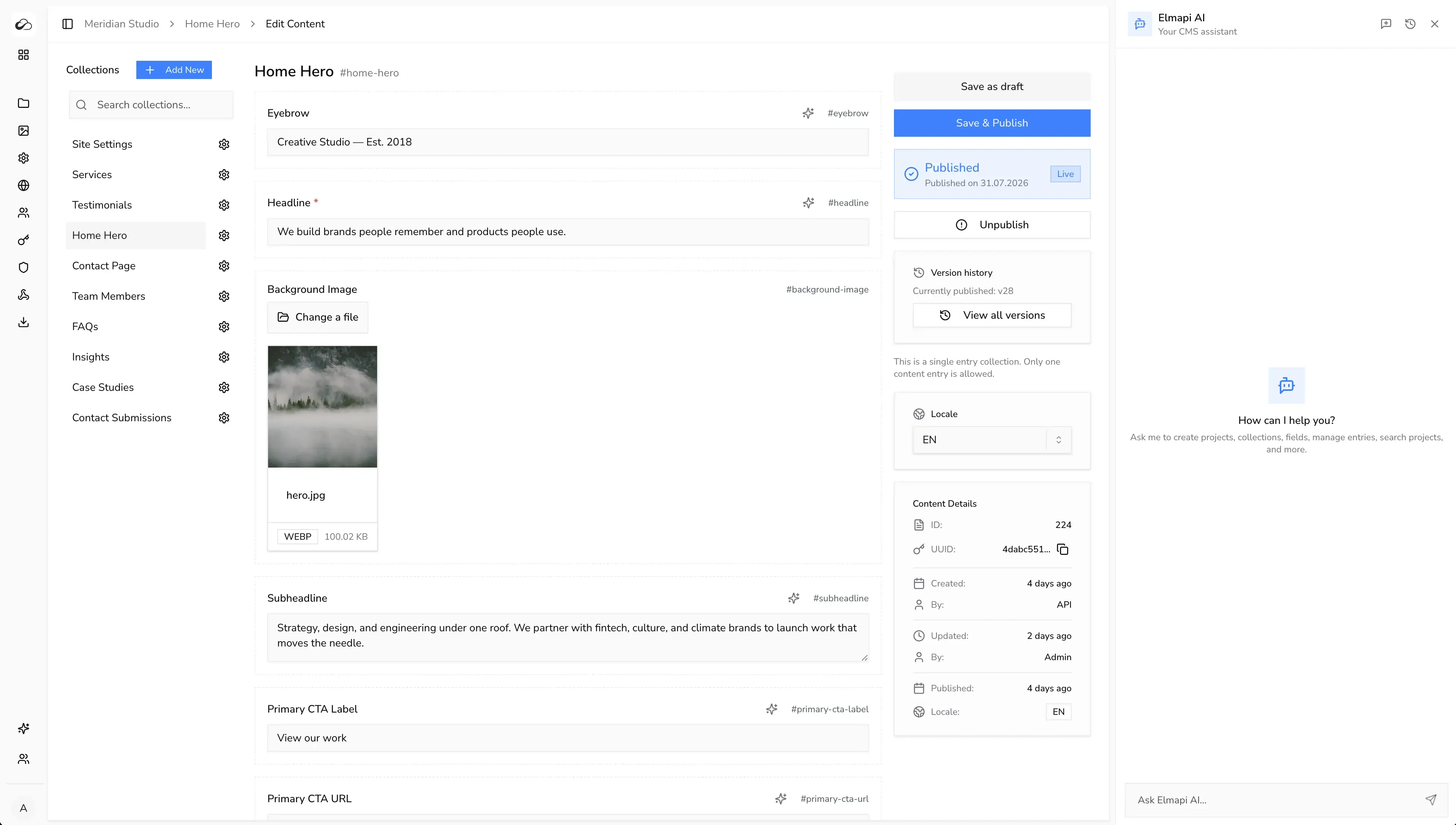
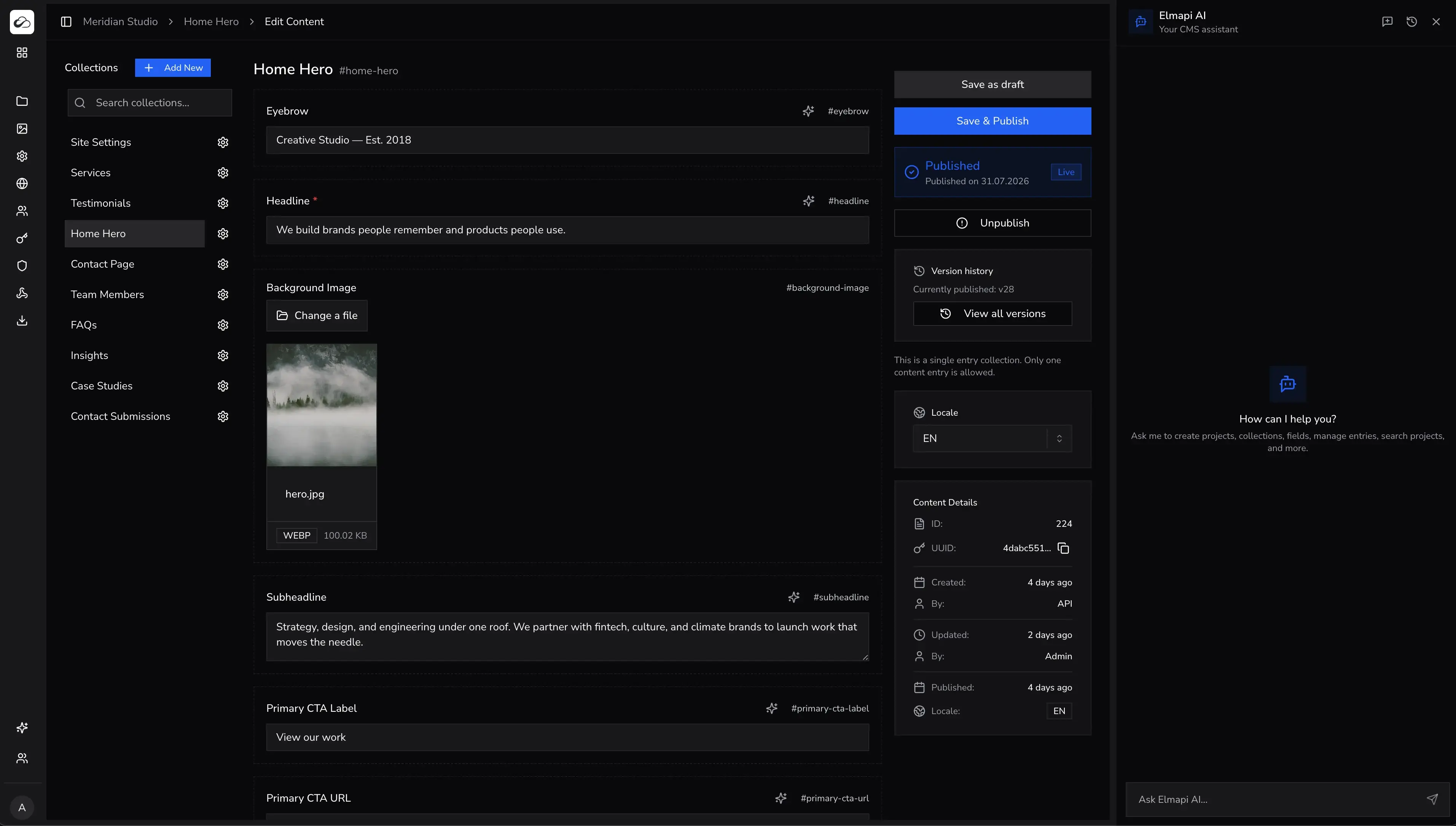
ElmapiCMS takes a different approach than Payload. Built on Laravel 13 and React (PHP 8.4+), it prioritizes a GUI admin and multi-project management over code-first configuration. Where Payload excels at one complex TypeScript app, ElmapiCMS excels at managing many projects from one install.
One installation handles unlimited projects, each with isolated content, API keys, and permissions. For agencies, that removes the overhead of a separate Payload app per client.
What ships in 4.0
- Draft and publish, content versioning, and locales
- Asset library with WebP images, crop tools, and optional S3 direct upload
- Built-in AI tools and an official MCP server for Cursor and Claude Code
- Authentication for frontend (signup, sign-in, refresh)
- Frontend templates for Next.js, Nuxt, and Astro
- Webhooks, JS/TS SDK, and project API tokens
Why choose ElmapiCMS over Payload
- Multi-project architecture - One installation for all clients instead of separate deployments
- Lower hosting costs - PHP-FPM typically needs less memory than a Node CMS process
- GUI-first modeling - Define collections in the admin. Editors do not wait on a deploy for a new field
- $74 one-time payment versus ongoing infrastructure for multiple Payload instances
Pricing: $74 one-time payment. See pricing · Live demo
Best for: agencies managing multiple clients, Laravel/PHP teams, and projects that want simpler deployment than a TypeScript-native CMS.
2. NomaCMS
NomaCMS is a managed, AI-native headless CMS. You get structured content, a REST API, a JavaScript SDK, and AI for writing, translation, and editing. Ship to Next.js, Nuxt, Astro, or other TypeScript stacks without running your own CMS server. Connect Cursor, Claude Code, or other MCP-compatible tools with the Noma MCP server.
Why consider NomaCMS
- Managed cloud with global CDN for assets and no server ops on your side
- AI assistant, inline field actions, and one-click entry translation
- REST API and SDK with predictable shapes for typed frontends
- MCP server for AI editors (
npx -y @nomacms/mcp-server) - Project auth, webhooks, locales, and team workspaces on paid plans
Pricing: Plans start at $15 per month after a 7-day free trial. See nomacms.com · Start free trial
Best for: TypeScript teams that want hosted delivery and AI-first workflows, not a self-hosted install.
3. Strapi
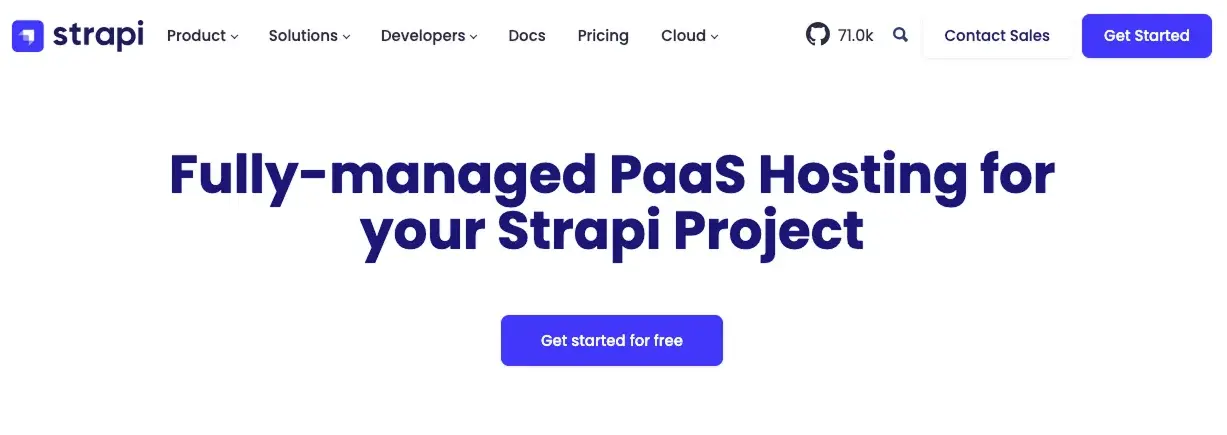
Strapi is the most popular open-source headless CMS, and for good reason. It offers a balance between flexibility and ease of use that Payload doesn't quite match. You can define content types through the admin UI or code, giving you flexibility based on your comfort level.
The plugin ecosystem is mature, and the community is large enough that you'll find answers to most questions. If you're coming from Payload and want something in the Node.js ecosystem but with a gentler learning curve, Strapi is the obvious choice.
Key Features
- Content Type Builder - Visual interface for defining models
- Plugin marketplace - Extend functionality without custom code
- REST and GraphQL - Both API styles out of the box
- Role-based permissions - Granular access control
- Strapi Cloud - Managed hosting option available
Pricing
Free and open source. Strapi Cloud starts at $99/month for production use.
Best For
Teams who want Node.js but with a more visual, less code-intensive approach than Payload.
4. Directus
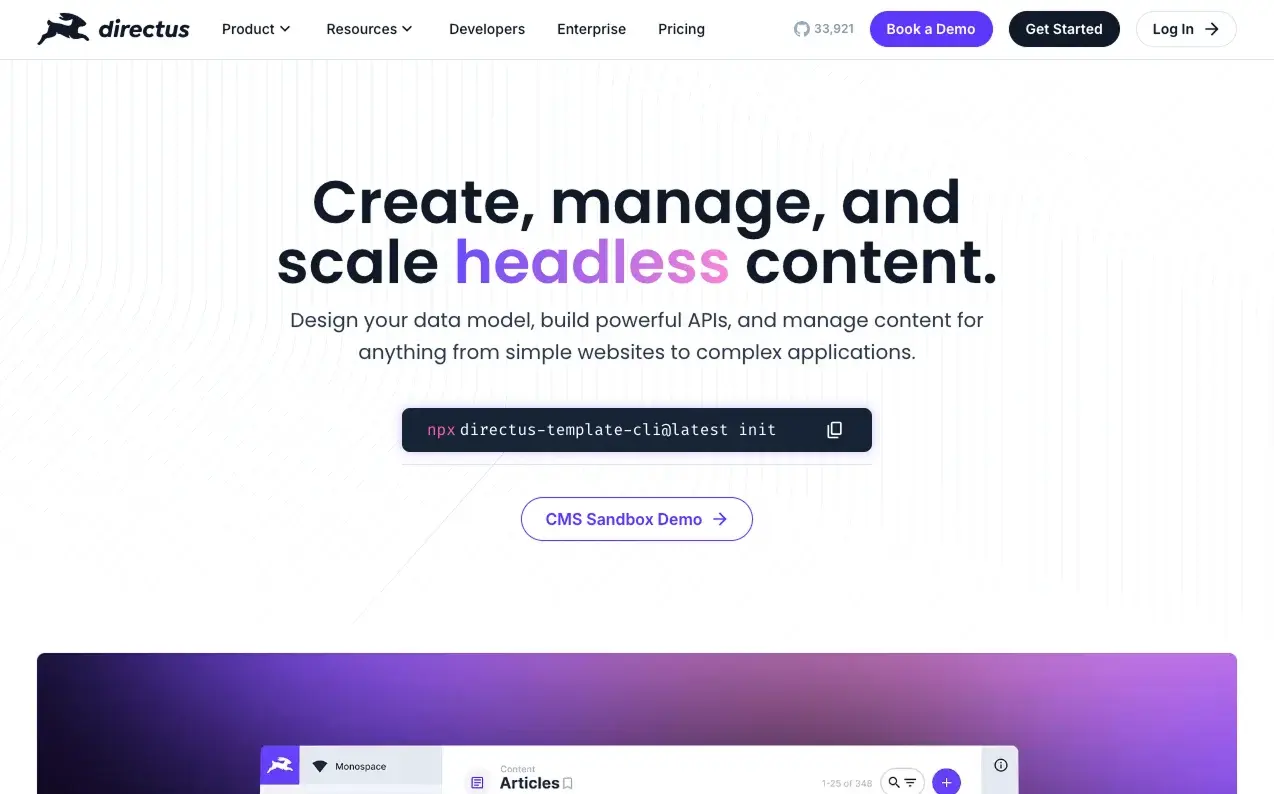
Directus takes a unique "database-first" approach. Instead of forcing you into its data structure, it wraps around your existing SQL database. If you have legacy data or want complete control over your schema, Directus is compelling.
This approach means zero vendor lock-in. Your data stays in standard SQL tables that any tool can access. The tradeoff is more initial setup complexity compared to Payload's opinionated structure.
Key Features
- Database wrapping - Works with existing PostgreSQL, MySQL, SQLite databases
- No lock-in - Standard SQL tables, accessible by any tool
- REST and GraphQL - Auto-generated APIs from your schema
- Real-time updates - WebSocket support for live data
- Granular permissions - Field-level access control
Pricing
Free and open source. Directus Cloud available for managed hosting.
Best For
Projects with existing databases, teams who want complete data portability, enterprises concerned about vendor lock-in.
5. Sanity
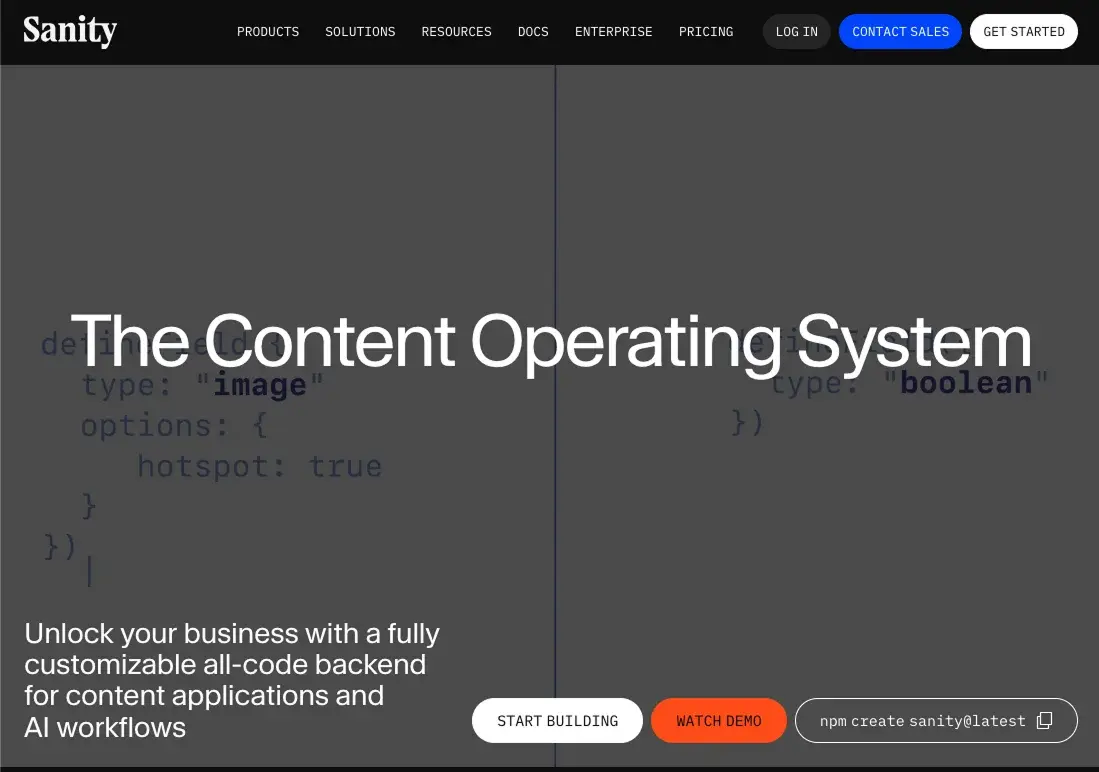
Sanity prioritizes the editing experience above almost everything else. Real-time collaboration works smoothly, the interface is polished, and content editors genuinely enjoy using it. If your project involves non-technical content teams, this matters.
The "Portable Text" system for rich content is particularly well-designed, giving you structured data instead of raw HTML blobs. The catch is that Sanity is primarily cloud-based, so you're trading self-hosting control for a smoother managed experience.
Key Features
- Real-time collaboration - Multiple editors working simultaneously
- Portable Text - Structured rich content, not HTML
- Customizable Studio - React-based admin you can extend
- GROQ query language - Powerful content querying
- Image pipeline - Built-in transformations and CDN
Pricing
Free tier available. Growth plan starts at $15/month per user, scaling with usage.
Best For
Teams with non-technical content editors, projects where real-time collaboration is essential, those willing to use cloud-hosted solutions.
6. Contentful
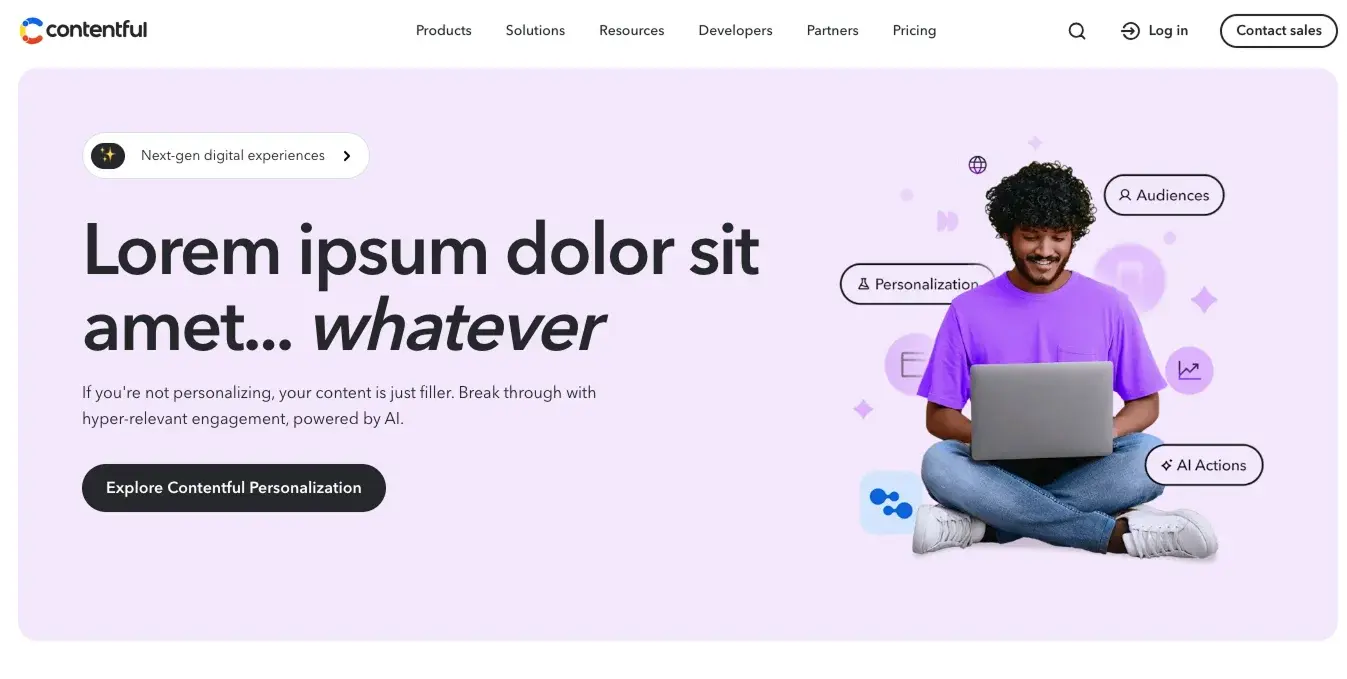
Contentful is the enterprise standard. It's been around long enough that the rough edges are gone, integrations are plentiful, and support is professional. Large companies choose it because it simply works at scale.
The pricing reflects this enterprise positioning. Starting at $300/month for paid plans, Contentful is a significant investment. But for organizations with budget and compliance requirements, it delivers reliability and support that open-source alternatives can't match.
Key Features
- Mature platform - Years of refinement and stability
- Rich ecosystem - Extensive integrations and apps
- Enterprise features - SSO, audit logs, advanced workflows
- Global CDN - Fast content delivery worldwide
- Professional support - Dedicated help for paid plans
Pricing
Free tier for experimentation. Paid plans start at $300/month.
Best For
Enterprise organizations with budget, teams needing vendor support contracts, projects with strict compliance requirements.
7. Hygraph
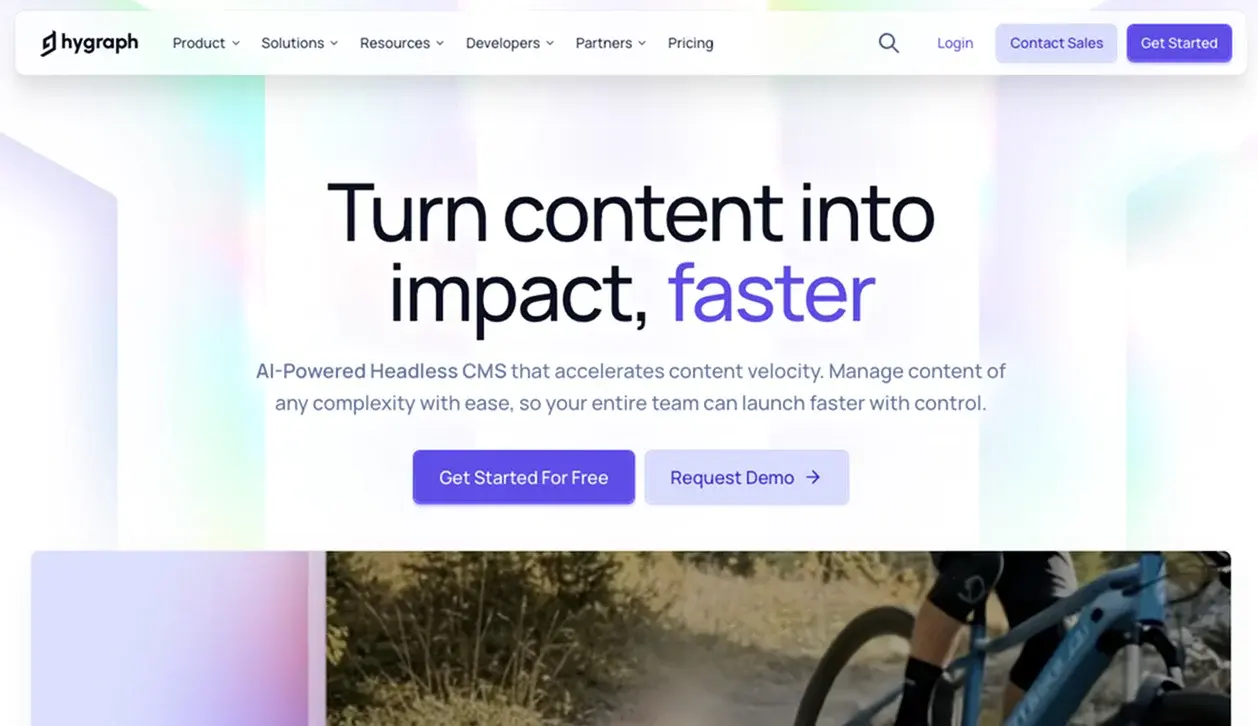
If your frontend already uses GraphQL, Hygraph (formerly GraphCMS) feels natural. It's built GraphQL-first, not as an afterthought. The content federation feature lets you combine data from multiple sources into a unified API.
For teams already invested in GraphQL tooling and patterns, Hygraph eliminates the impedance mismatch you might feel with REST-first alternatives.
Key Features
- GraphQL-native - Built for GraphQL from the ground up
- Content federation - Combine multiple data sources
- Localization - Multi-language content management
- Webhooks - Trigger external actions on content changes
- Asset management - Built-in image transformations
Pricing
Free tier available. Paid plans start at $299/month.
Best For
Teams using GraphQL throughout their stack, projects needing content federation, organizations comfortable with cloud-hosted CMS.
8. Ghost
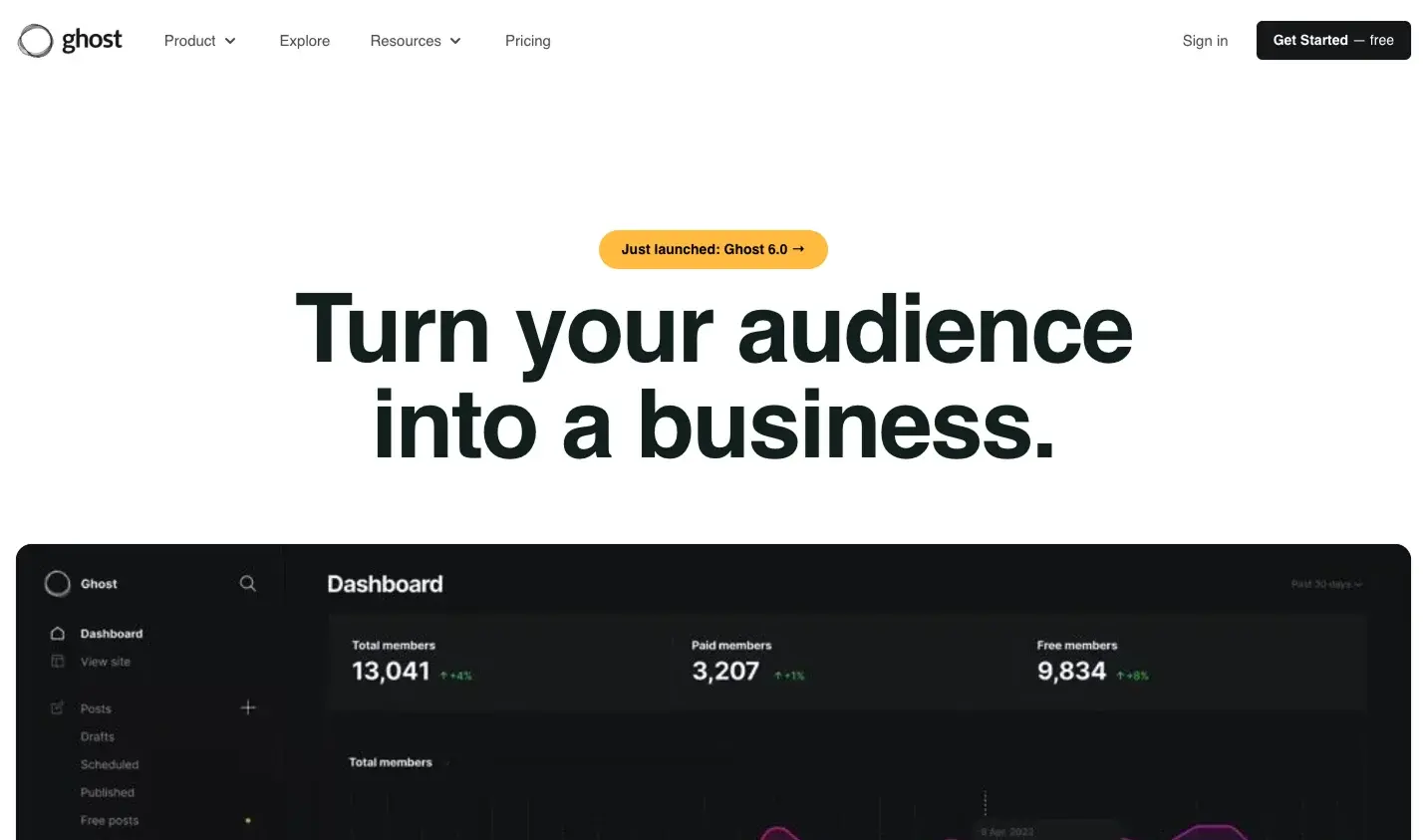
Ghost focuses specifically on publishing. If your project is primarily a blog, newsletter, or membership site, Ghost offers features purpose-built for that use case. Built-in newsletters, membership management, and excellent SEO are included.
It's less flexible than Payload for arbitrary content modeling, but if publishing is your core use case, that specialization is a feature, not a limitation.
Key Features
- Publishing focus - Optimized for blogs and newsletters
- Built-in memberships - Paid subscriptions without plugins
- Newsletter system - Email delivery included
- SEO optimization - Best practices built in
- Clean editor - Distraction-free writing experience
Pricing
Self-hosted is free. Ghost Pro starts at $9/month.
Best For
Publishers, bloggers, newsletter creators, membership sites focused on written content.
9. KeystoneJS
KeystoneJS is another TypeScript headless CMS, making it the most direct alternative to Payload in terms of technology. It's also code-first and Node.js-based, but with different opinions about how things should work.
If you like Payload's approach but want to explore alternatives within the same ecosystem, Keystone is worth evaluating. The GraphQL API is well-designed, and the admin UI is clean.
Key Features
- TypeScript-native - Strong typing throughout
- GraphQL API - Auto-generated from your schema
- Flexible auth - Multiple authentication strategies
- Document fields - Rich text with structured data
- Prisma-powered - Modern database layer
Pricing
Free and open source.
Best For
TypeScript developers who want an alternative to Payload's specific approach, teams already using Prisma.
Quick Comparison Table
| Feature | ElmapiCMS | NomaCMS | Strapi | Directus | Sanity | Payload |
|---|---|---|---|---|---|---|
| Multi-project | Yes | Yes (plans) | No | No | No | No |
| Pricing | $74 one-time | From $15/mo | Free (OSS) | Free (OSS) | $15+/mo | Free (OSS) |
| Technology | Laravel 13 / PHP | Managed cloud | Node.js | Node.js | Cloud | TypeScript |
| Setup | GUI-first | Cloud signup | GUI or code | Database-first | Schema code | Code-first |
| Learning curve | Low | Low | Medium | Medium | Low-Medium | High |
| Self-hosted | Yes | No (cloud) | Yes | Yes | Mostly cloud | Yes |
| Best for | Agencies Multi-client work | Managed AI-native No server ops | General use Node.js teams | Existing DB Data portability | Content teams Collaboration | TypeScript Complex apps |
Conclusion: Which Payload Alternative Is Right?
The best alternative depends on what's driving you away from Payload:
Managing multiple client projects? ElmapiCMS solves the "separate installation per project" problem with true multi-project support. One installation, unlimited projects, $74 once.
Want managed AI and MCP without a CMS server? NomaCMS is the hosted path. Plans start at $15 per month after a 7-day free trial.
Want Node.js but simpler? Strapi offers a gentler learning curve while staying in the JavaScript ecosystem.
Have an existing database? Directus wraps around your data without forcing migration.
Content team needs the best editing experience? Sanity's real-time collaboration is hard to beat.
Enterprise requirements? Contentful has the maturity and support contracts large organizations need.
For most developers frustrated with Payload's complexity or multi-project limitations, ElmapiCMS offers the clearest path forward. The combination of simple setup, multi-project support, and one-time pricing makes it practical for real-world agency and freelance work.